Fine Bubble Tubular Diffuser About
Fine Bubble Tubular Diffuser Description
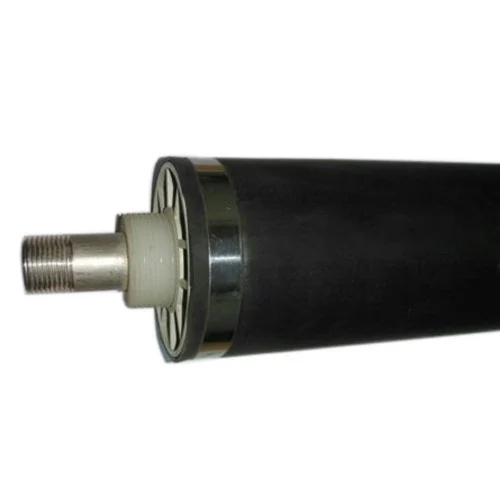
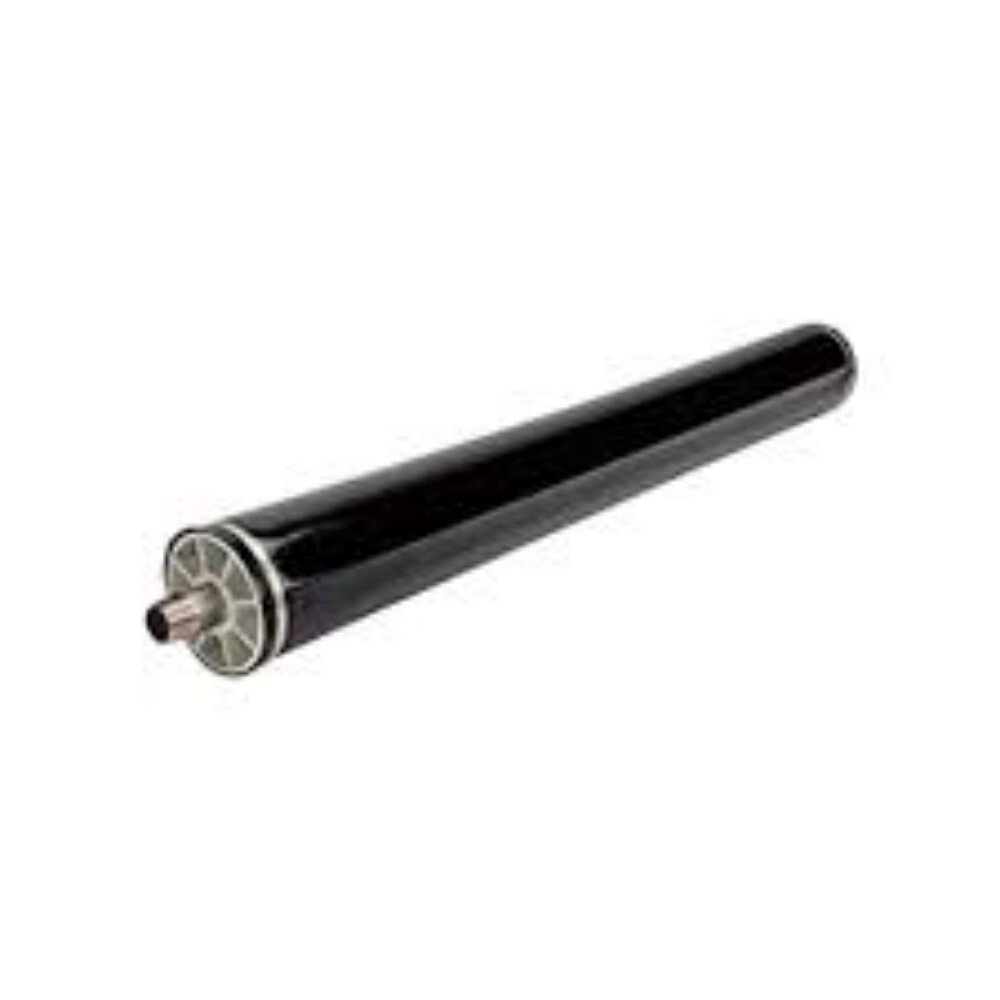
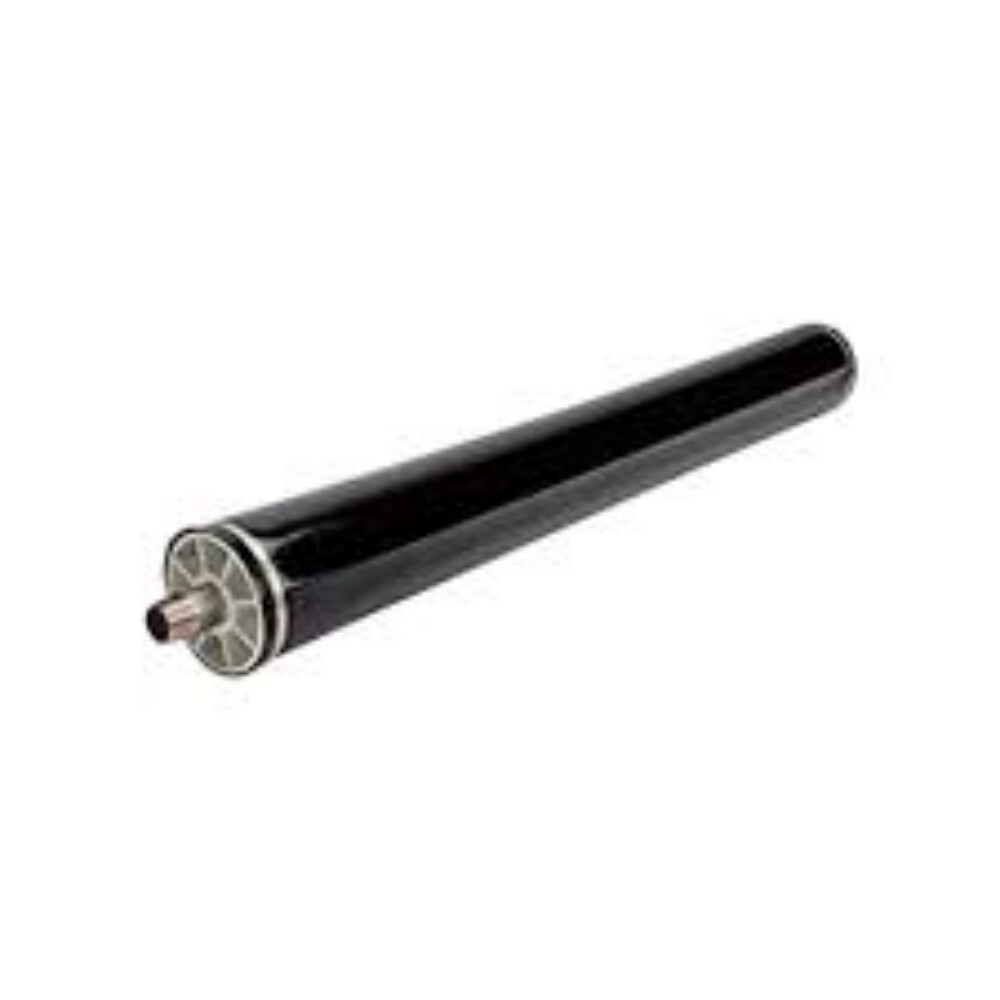
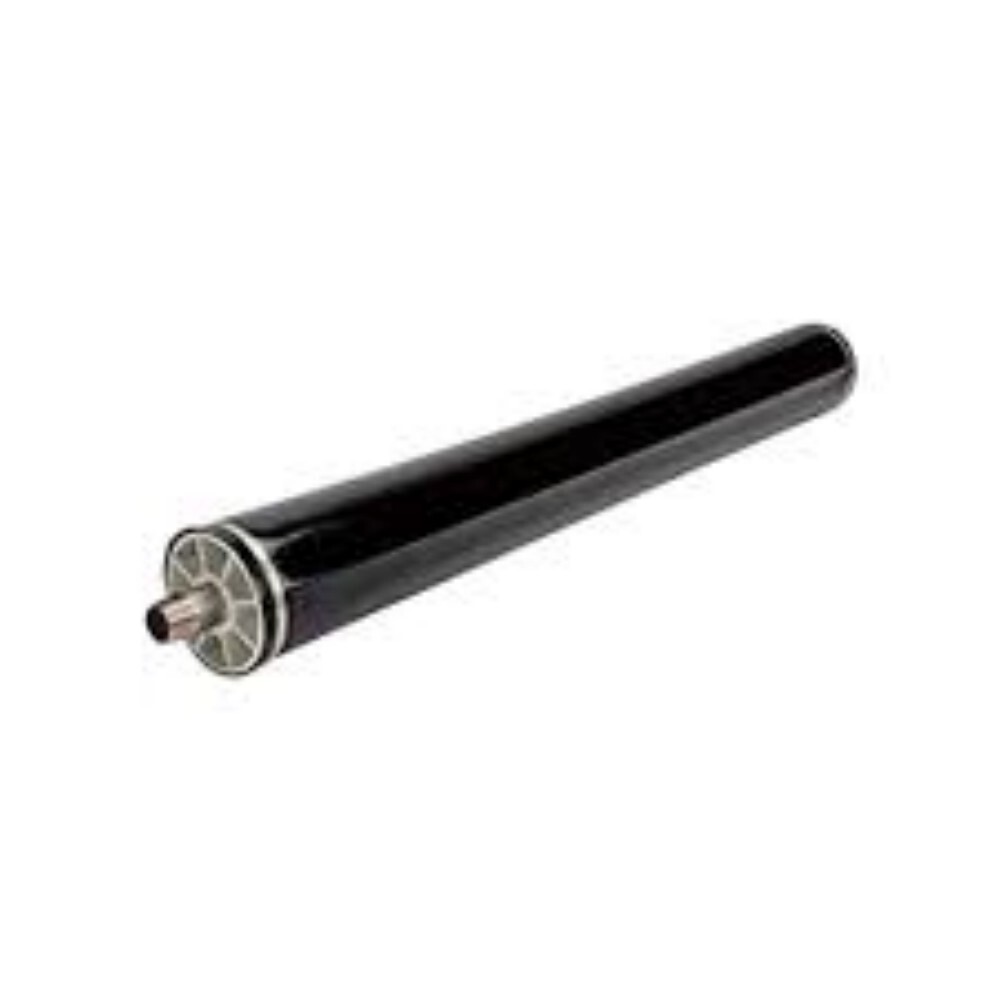
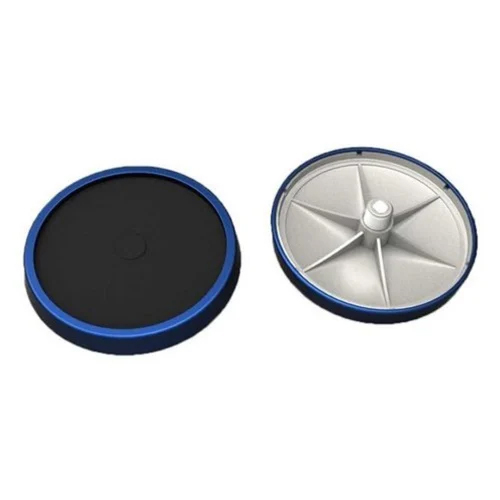
A fine bubble tubular diffuser is an aeration device used in wastewater treatment or aquaculture. It diffuses air into water in the form of fine bubbles, increasing oxygen transfer efficiency for biological treatment processes or aquatic life support.
Key Features and Benefits
Efficient oxygen transfer: Fine bubbles increase oxygen transfer into water.
Used in wastewater treatment: Common in biological treatment processes.
Fine bubble tubular diffusers are used in wastewater treatment systems in India.
Superior Oxygen Transfer EfficiencyDesigned for optimal aeration, the fine bubble tubular diffuser achieves oxygen transfer efficiency up to 35%. Its micro-slit perforations consistently produce 1-2 mm bubbles, greatly enhancing dissolved oxygen levels in wastewater treatment processes. This efficiency benefits MBBR, SBR, ETP, STP, and aquaculture applications, ensuring healthy microbial activity and improved water quality.
Durable, Anti-Clogging ConstructionFeaturing a self-cleaning, high-resistance membrane made from either FRP or steel, the diffuser minimizes maintenance frequency. Its unique micro-slit design resists clogging common in aeration environments, and the 1-2 mm membrane thickness provides strength for long-lasting operation. Under normal use, expect a replacement interval of 3-5 years.
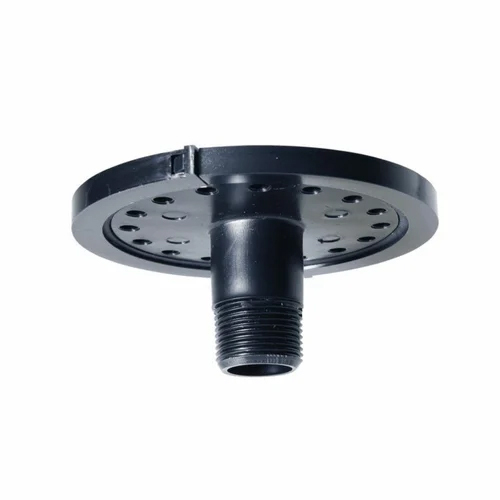
Flexible Installation and ApplicationWith multiple length options (0.5-2.0 m) and BSP/NPT threaded connectors, the diffuser adapts to various tank sizes and aeration systems. Submerged installation onto headers or pipe grids is straightforward. Suitable for use in industrial and municipal wastewater tanks, fish farming operations, and any process requiring reliable fine bubble aeration.
FAQ's of Fine Bubble Tubular Diffuser:
Q: How does the Fine Bubble Tubular Diffuser improve aeration efficiency in wastewater treatment?
A: The diffuser releases micro/fine bubbles (1-2 mm) through precision micro-slits, significantly increasing the water-air interface for superior oxygen transfer (up to 35%). This enhances biological treatment and accelerates organic matter breakdown.
Q: What are the standard installation options and requirements for this diffuser?
A: The diffuser is installed submerged, fixed onto headers or pipe grids using either 3/4" or 1" BSP/NPT male thread connectors. Installation is manual and straightforward, requiring only connection to an external air blower supplying adequate flow and pressure.
Q: When is the ideal time to replace the diffuser?
A: Under normal operating conditions, replacement is recommended every 3 to 5 years to maintain peak efficiency and avoid reduced performance caused by membrane wear.
Q: Where can the Fine Bubble Tubular Diffuser be used effectively?
A: It is ideal for aeration tanks in municipal and industrial wastewater treatment plants, including MBBR, SBR, ETP, STP systems, and is also suitable for aquaculture and fish farming to maintain water quality.
Q: What process does the self-cleaning design use to resist clogging?
A: The diffuser features a membrane with micro-slit perforations and a 1-2 mm thickness that flexes during operation, dislodging accumulated debris and minimizing blockages, ensuring consistent airflow and fine bubble production.
Q: How can I determine the required number and size of diffusers for my tank?
A: Assess the tank volume, required oxygen transfer rate, and airflow capacity. Typical flow rates per diffuser range from 1.5-8.0 Nm3/h, with one meter units delivering up to 3.5 Nm3/h. For tailored system design, expert guidance or consultation is recommended.
Q: What are the benefits of using this diffuser compared to conventional aeration devices?
A: This diffuser offers higher oxygen transfer efficiency, silent passive operation, low maintenance due to the self-cleaning design, excellent recycling rates, and a robust construction suitable for both industrial and municipal applications.

 Send Inquiry



 Send Inquiry


 Send Inquiry


